Online Exam Security with Real-Time Tracking (RTT)
Online Exam Security with Real-Time Tracking (RTT)As education and exam processes continue to digiti...
AI-powered proctoring is a technological monitoring method that uses artificial intelligence to ensure the security and integrity of exams in education and interviews in the business world.
AI-powered proctoring technology monitors participants’ behavior during exams or interviews to detect potential attempts to cheat or violate rules, ensuring that the process is conducted fairly.
An AI-based individual assessment and learning platform, Qulak explores AI-powered exam and interview proctoring technologies in this article.
AI-powered proctoring technology is a system that reduces the need for human proctors, delivering long-term cost savings; it can monitor hundreds of students or candidates taking an exam or participating in an interview at the same time, detect suspicious behavior instantly, and enable rapid intervention.
AI-powered proctoring technologies use machine learning and computer vision techniques to ensure monitoring and security in exam and interview environments.
In other words, this technology analyzes students’ behavior during exams and detects unusual movements, making it possible to take steps against potential misconduct. Using cameras and algorithms, it can scan all kinds of indicators, from students’ facial expressions and the way they hold a pen to where they look on the monitor and how they sit.
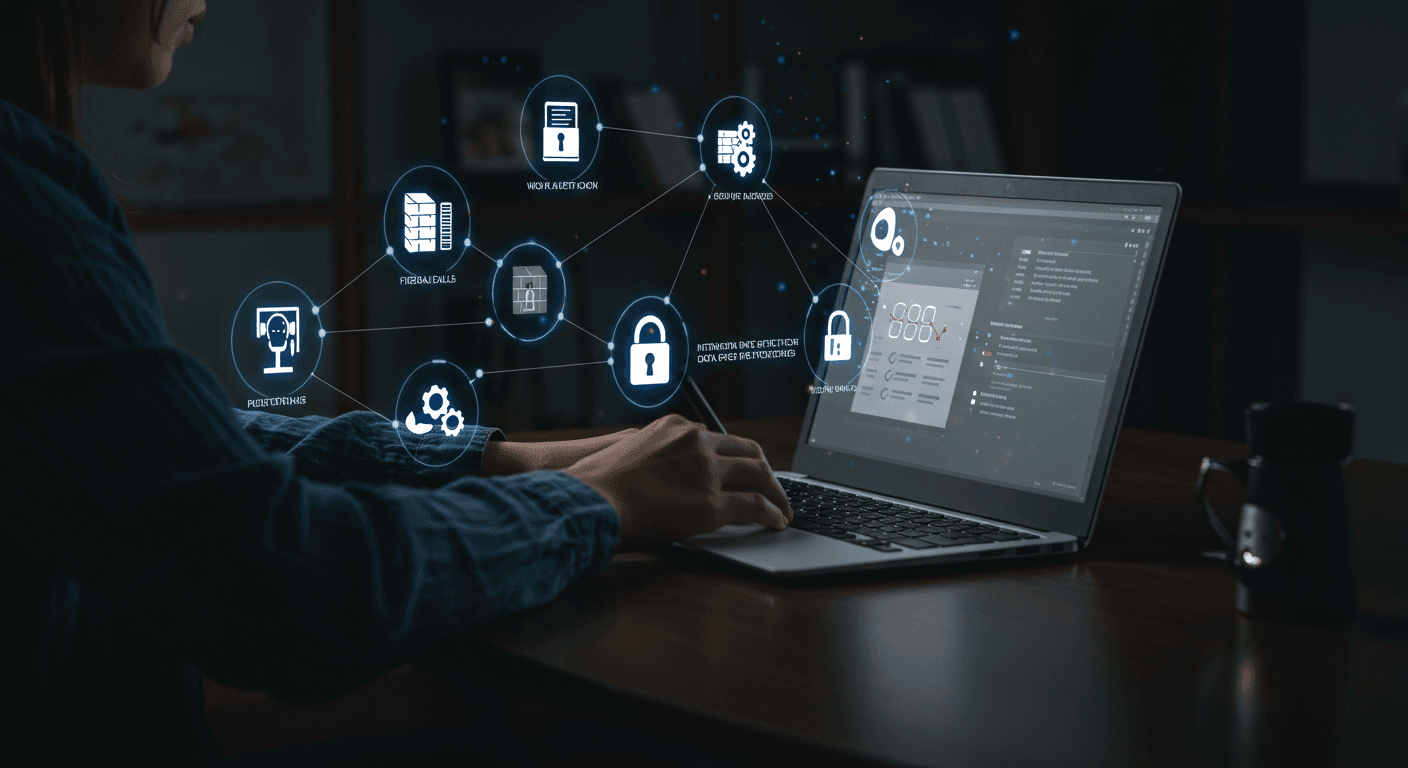
These technologies also ensure that only the exam screen is active by locking the device and closing external applications, while secure browser use prevents screen recording and unauthorized web access.
In addition, they protect candidates’ data in compliance with global data protection standards such as GDPR, PDPA, and CPPA.
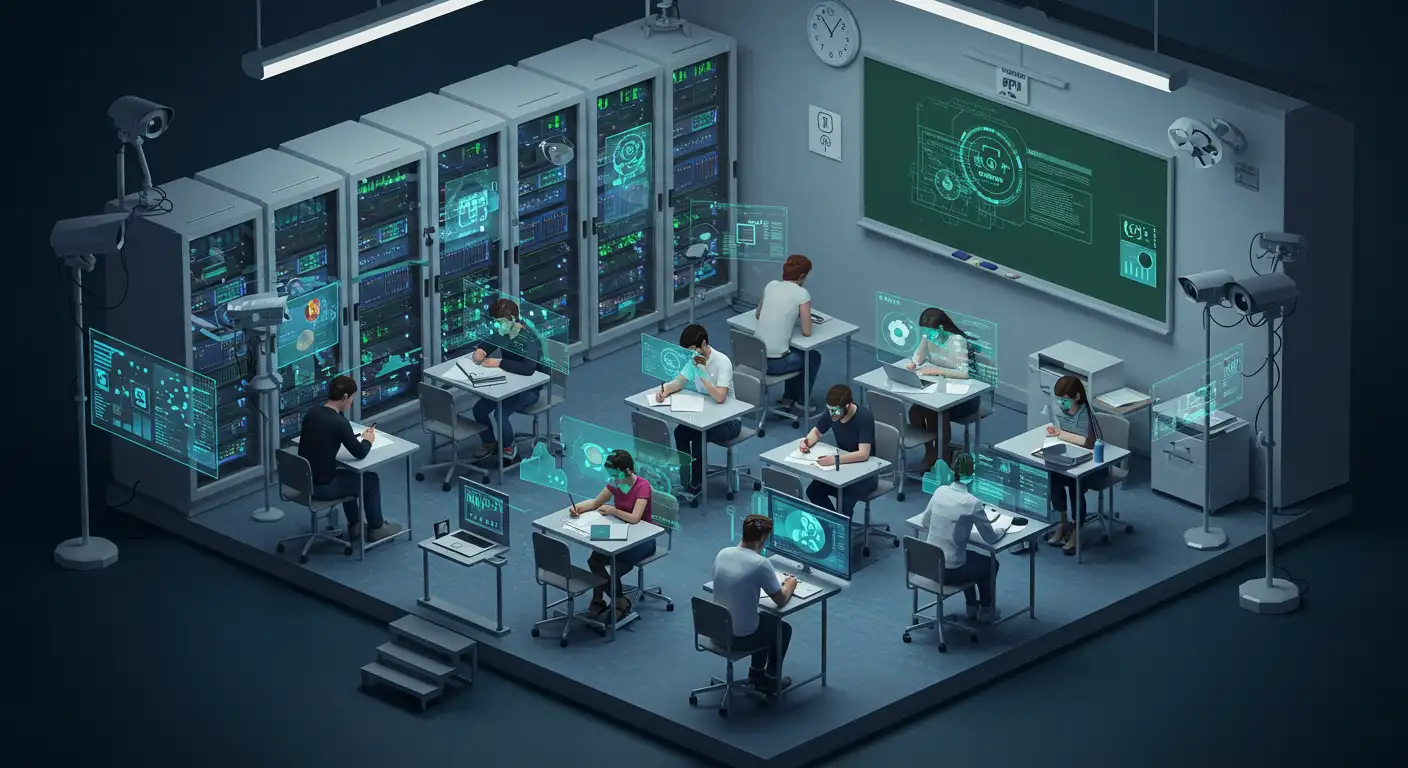
AI-powered exam and interview proctoring technologies are advanced systems designed to increase the reliability and fairness of examination and assessment processes.
These technologies monitor and analyze participants’ movements, behavior, and surroundings in real time during exams or interviews.
For example, you are conducting an online interview. AI-based proctoring technology can use a Biometric Facial Recognition and Identification system to determine whether the candidate is really the person shown on their ID.
Or, if someone approaches the candidate during an online interview, the system detects the other person and issues a violation alert.
Alternatively, device locking and secure browser features can prevent exam or interview participants from photographing a question on the screen, turning their face away from the computer, reading the question aloud, or going online in another tab to look for the answer.
In addition, all participant data is protected in accordance with GDPR and similar compliance standards, and the technology can be easily integrated with platforms such as an LMS.

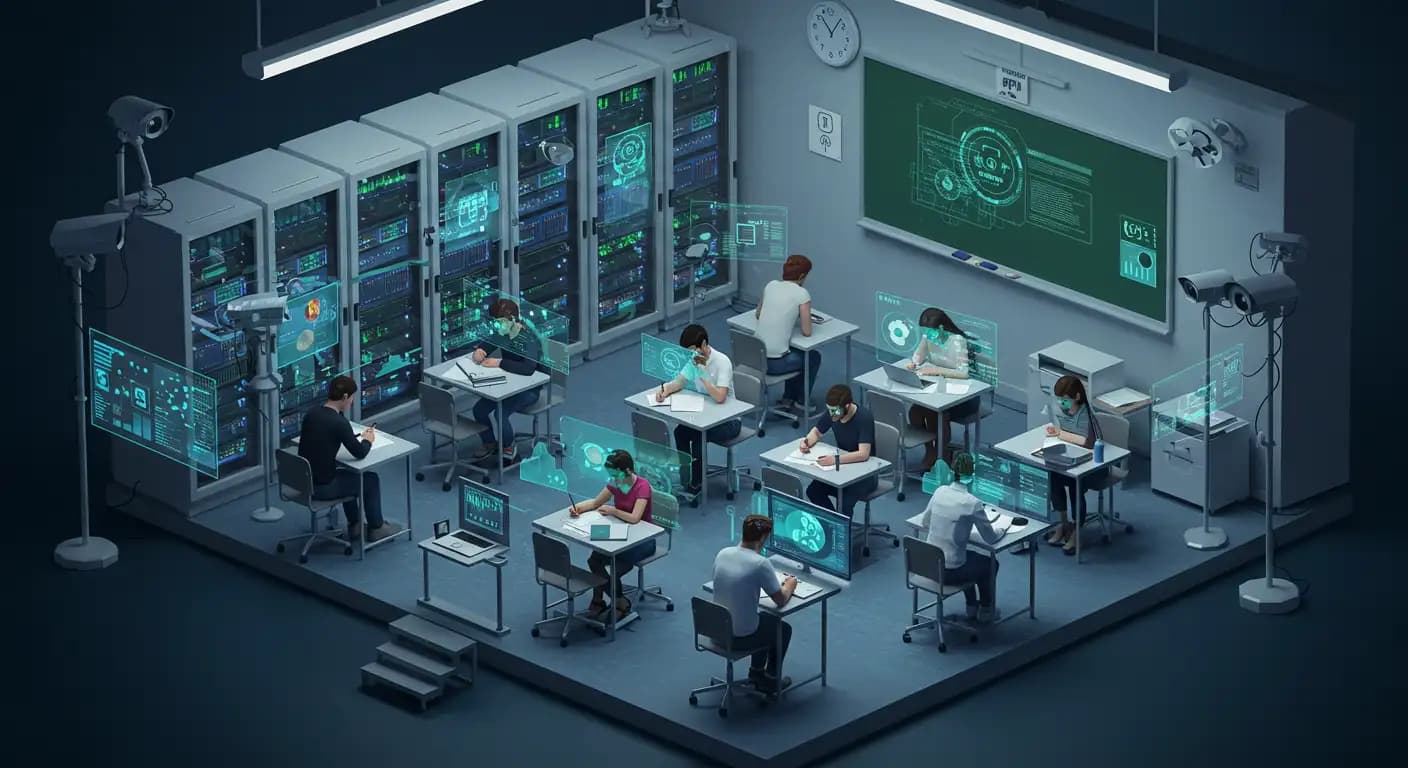
AI-powered proctoring systems can easily monitor thousands of students at once. With these systems, you can administer large-scale exams regardless of location or time. No matter how large your institution’s capacity is, AI technologies enable you to manage processes without ever compromising exam security.
AI algorithms analyze all student behavior during an exam in real time. Advanced techniques such as facial recognition, facial expression analysis, and movement analysis detect suspicious behavior instantly and automatically generate the alerts needed for intervention. This helps prevent attempts to violate exam or interview rules before they occur.
AI-powered proctoring systems are a much more cost-effective and sustainable option in the long term compared with traditional proctoring. They reduce costs by lowering reliance on human resources and allow institutions to use their resources in more strategic areas. These systems also automate processes, reducing institutions’ operational workload and increasing efficiency.
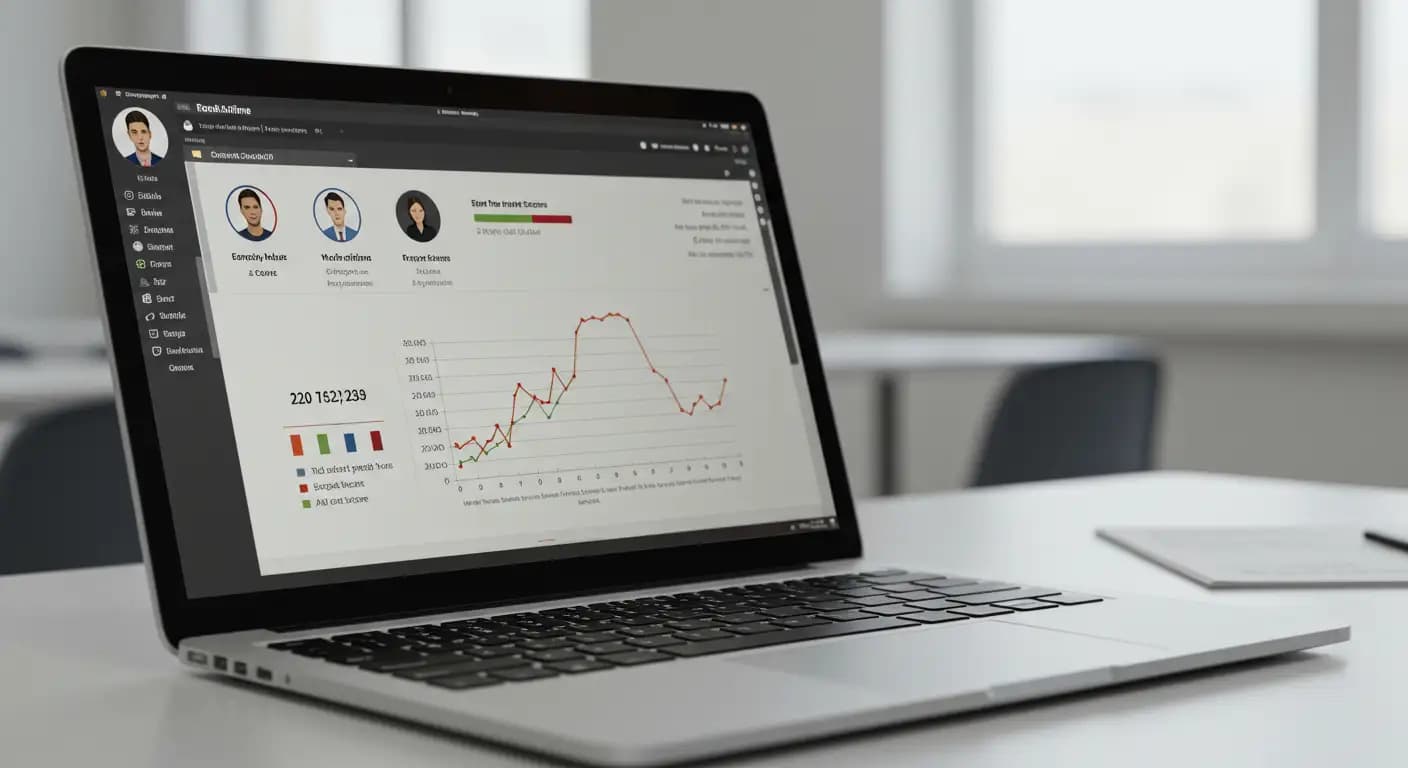
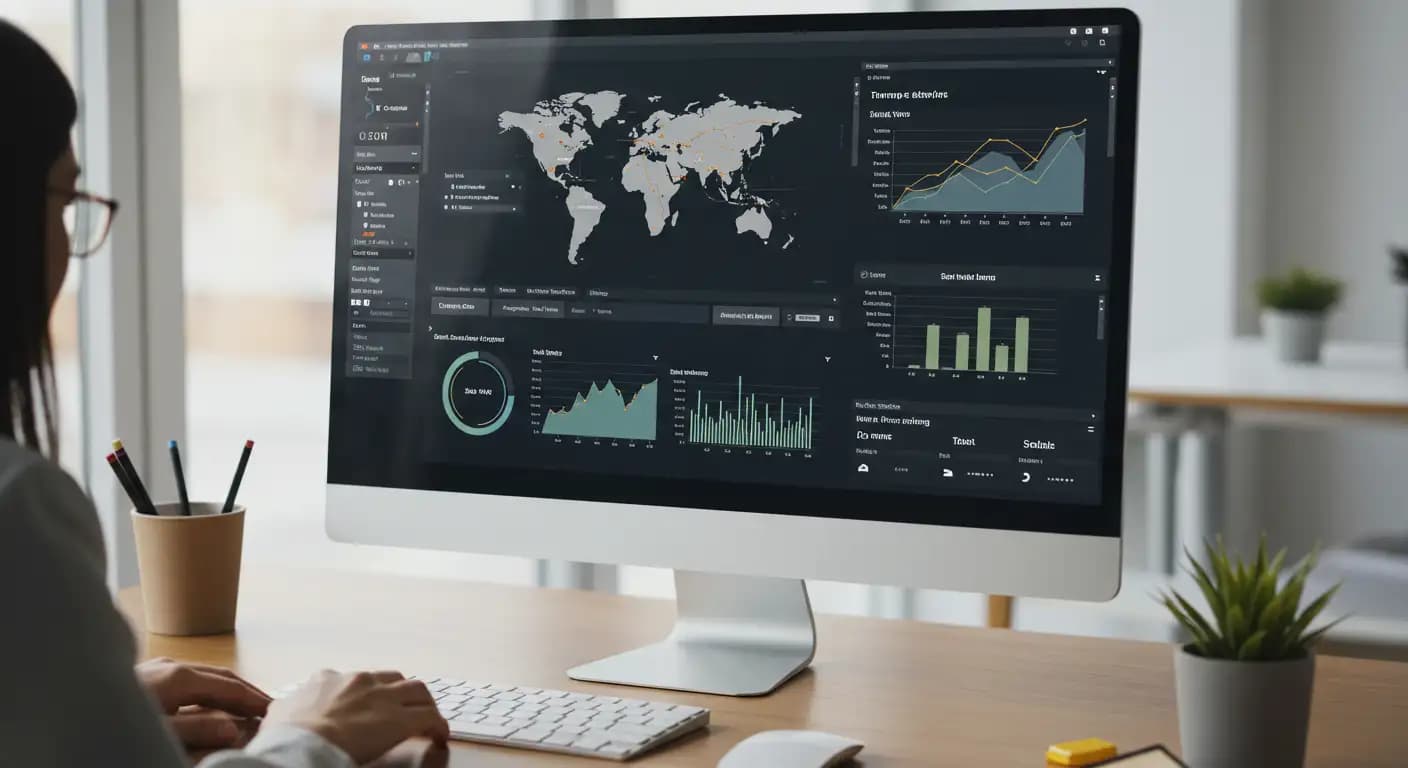
AI technologies provide valuable insights by analyzing the large volumes of data collected during the exam process. These analyses enable you to obtain detailed reports on student performance, the effectiveness of exam processes, and potential areas for improvement. This makes your decision-making processes more data-driven and objective.
AI-powered proctoring technology can prevent suspicious attempts by online exam or interview participants, such as opening another tab during the exam, taking a picture of a question on the screen with a phone, reading the question aloud to ask someone else in the room for an answer, or turning their face away from the monitor for an extended period.
| Differences | Traditional Proctoring | AI-Powered Proctoring |
|---|---|---|
| Monitoring Method | Physical monitoring by a human observer | Cameras and AI algorithms |
| Suspicious Behavior Detection | Subjective, delayed | Objective, real time |
| Prevention of External Interference | Limited control | Automatically blocks attempts involving secondary tabs, phones, screenshots, and similar actions |
| Audio and Environment Analysis | Insufficient | Instantly detects behaviors such as reading a question aloud and asking for help |
| Data Analysis and Reporting | Limited, subjective | Detailed, automated, and objective |
| Reliability and Transparency | Dependent on the human factor, subjective | Objective, continuous, and transparent |
Discuss proctoring, identity verification, environment analysis, and reporting workflows tailored to your institution with the QProctor team.