Online Exam Security with Real-Time Tracking (RTT)
Online Exam Security with Real-Time Tracking (RTT)As education and exam processes continue to digiti...
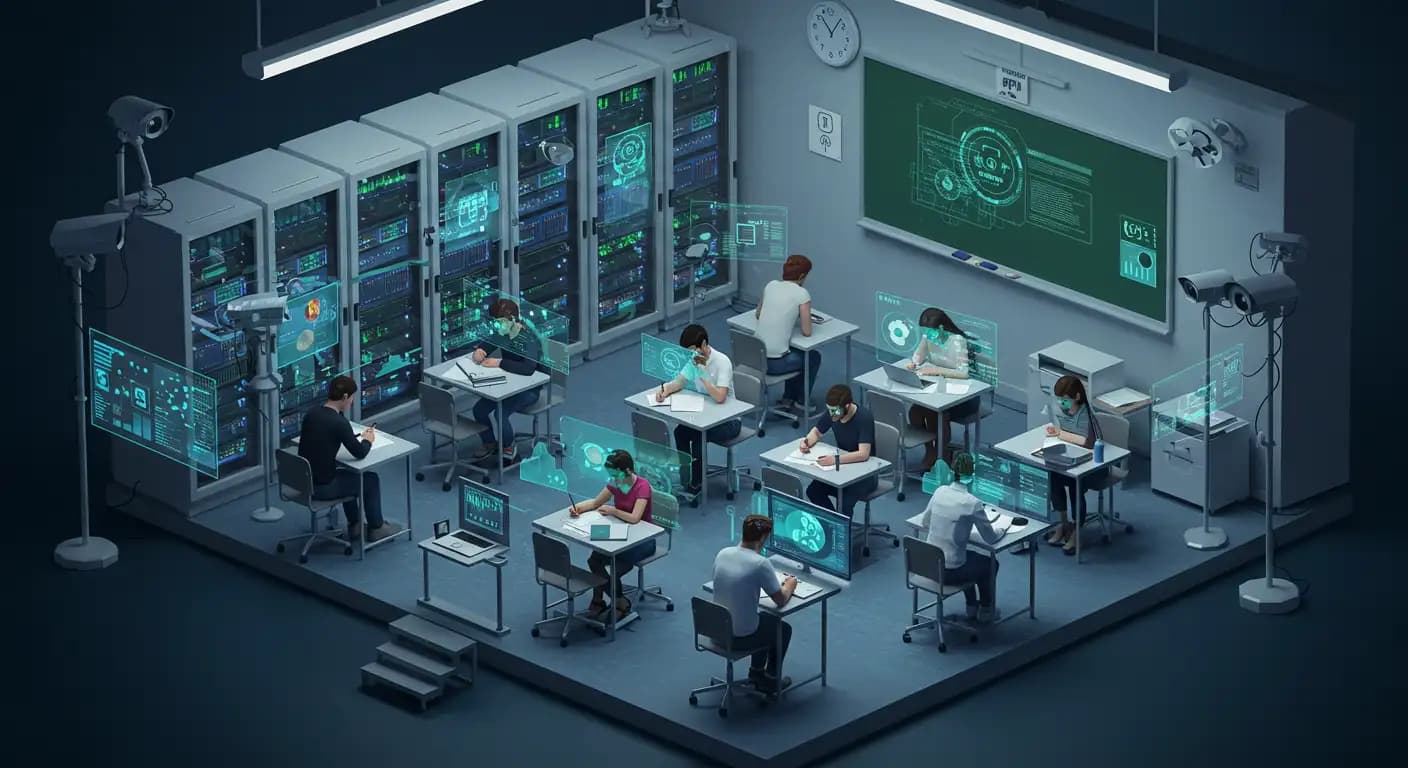
Traditional proctors are now being replaced by AI-based online proctoring systems; smart monitoring systems that continuously track every movement, gesture and facial expression exam security is ensured.
This advanced technology can identify suspicious behavior in exam settings with the help of smart monitoring system algorithms and machine learning, increasing reliability.
In our country, the smart monitoring systems developed by Qulak work integrated with many well-known LMS platforms. These include companies such as Vedubox, Moodle, Blackboard and Canvas.
Fundamentals of AI-Powered Proctoring
AI-powered proctoring, a process for ensuring supervision and security in exam settings using machine learning and computer vision techniques. This technology analyzes students' behavior during exams and detects unusual movements, making it possible to take precautions against potential misconduct. Cameras and algorithms make it possible to scan all kinds of indicators, from students' facial expressions and how they hold objects to the angle at which they look at the paper and their posture.
These smart monitoring systems can continuously monitor and evaluate various parameters and issue an alert as soon as they detect any rule-breaking activity. In essence, even subtle details that a proctor might miss can be identified with AI-powered proctoring and exam integrity can be protected more effectively. This gives educational institutions and exam centers greater assurance that they can provide a fair and reliable assessment environment.
The Role of AI in Proctoring
AI-powered proctoringis a critical technology for exam integrity; it provides automated monitoring and analysis.
Thanks to AI-powered proctoring, smart monitoring systems offer universal oversight, free from the constraints of security, time and location.
Smart monitoring systems created by AI algorithms monitor students' physical and digital behavior in real time and detect irrational movements, laying the foundation for a transparent exam environment.
Core AI Mechanisms
AI-powered proctoring systemsoperate based on predefined sets of algorithms, and the mechanisms at their core analyze student behavior.
How Does AI Monitor Exams?
AI-powered proctoringIt continuously analyzes student activity using complex algorithms and deep learning techniques. These systems observe students' facial expressions, gestures and general behavior, evaluating each movement according to various parameters. They also examine interaction data, such as keyboard and mouse use. For example, a student's gaze direction or attention to something outside the screen may be detected and assessed as unusual activity by proctoring software. By processing relevant analytical data in real time, the algorithm identifies behavior patterns that violate exam protocols and can quickly detect potential misconduct.
Visual and Audio Data Analysis
AI-powered proctoringIt performs a detailed analysis of visual and audio data. This analysis is based on the continuous monitoring of students' video and audio.
Detecting and Learning Behavioral Patterns
AI-powered proctoring systems continuously monitor and analyze students' behavioral patterns. This makes it possible to distinguish between a student's normal and unusual behavior. The main methods used to detect behavioral patterns are:
Continuously improved using machine learning methods, these systems use complex learning algorithms to recognize students' individual characteristics and store them in a database.
The student's behavior under proctoring is comparatively analyzed over time by deep learning models to create a customized profile. This profile serves as a baseline for the student's typical behavior and makes it possible to detect any deviation immediately.
Advantages of AI Proctoring
AI-powered proctoringoffers many advantages compared with traditional proctoring methods. By ensuring continuous and objective monitoring, it minimizes human error and bias. In terms of efficiency, it stands out for its ability to process large datasets quickly and save time. It also increases the flexibility and reliability required by modern learning environments such as distance education . Thanks to its comprehensive analytical capabilities, it can help preserve educational integrity while providing students with personalized feedback to improve their learning experience. In addition to promoting fairness and standardization in education, this technological advancement also stands out as an effective measure against potential academic fraud.
Reduced Error Rates and Increased Efficiency
AI-powered proctoringsignificantly reduces error rates compared with human proctors. This is because these systems are structured to continuously improve and adapt through learning algorithms. This makes the monitoring process much more stable and consistent.
Systems improve the quality of monitoring by providing the necessary precision through mathematical algorithms. This helps minimize manual errors.
Structural features that enhance quality also enable AI systems to capture details that human observers might miss. Machine learning and computer vision technologies provide detailed analyses.
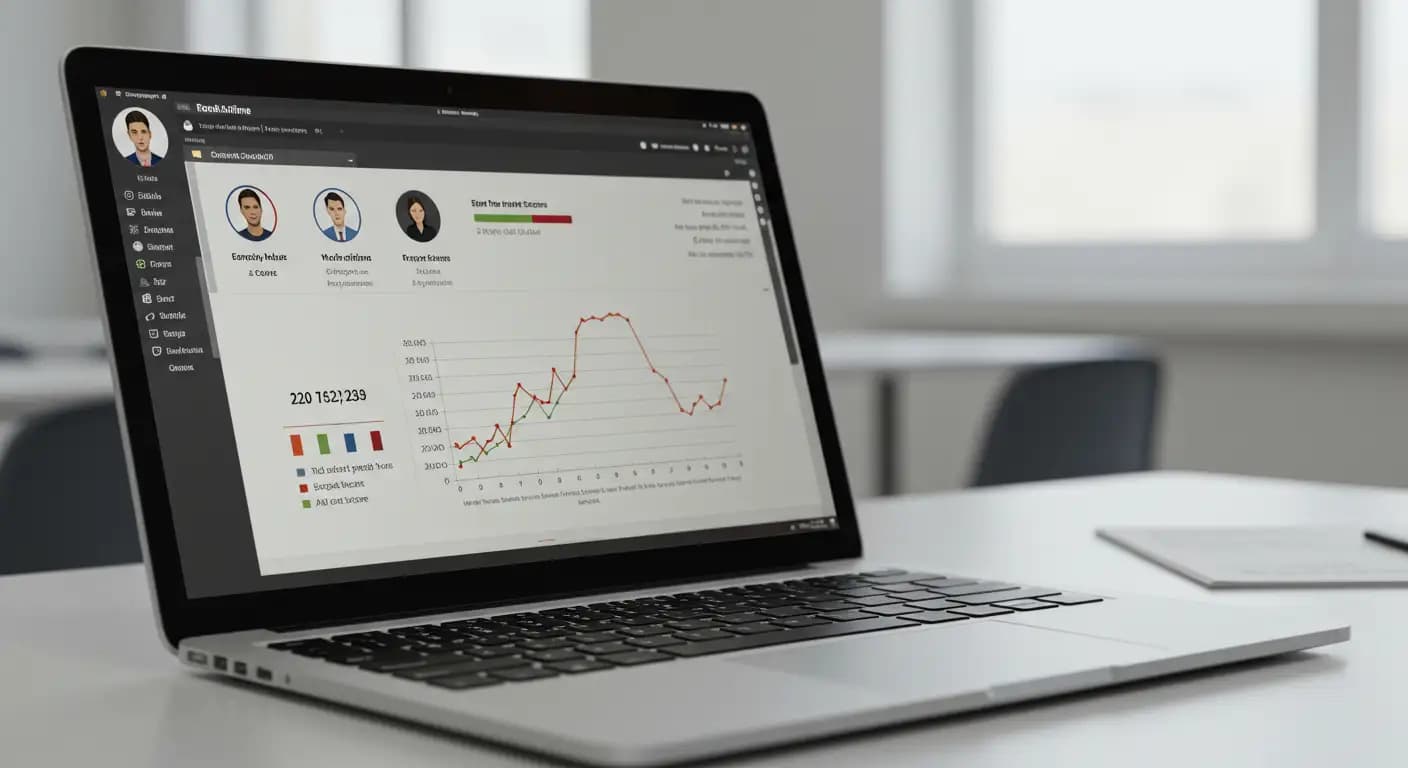
These systems greatly facilitate the collection and evaluation of student performance data. By analyzing data effectively, they provide educators with detailed information about students' progress and enable the development of personalized learning plans.
Real-Time Smart Monitoring and Response
Real-time monitoring refers to the continuous tracking of events.
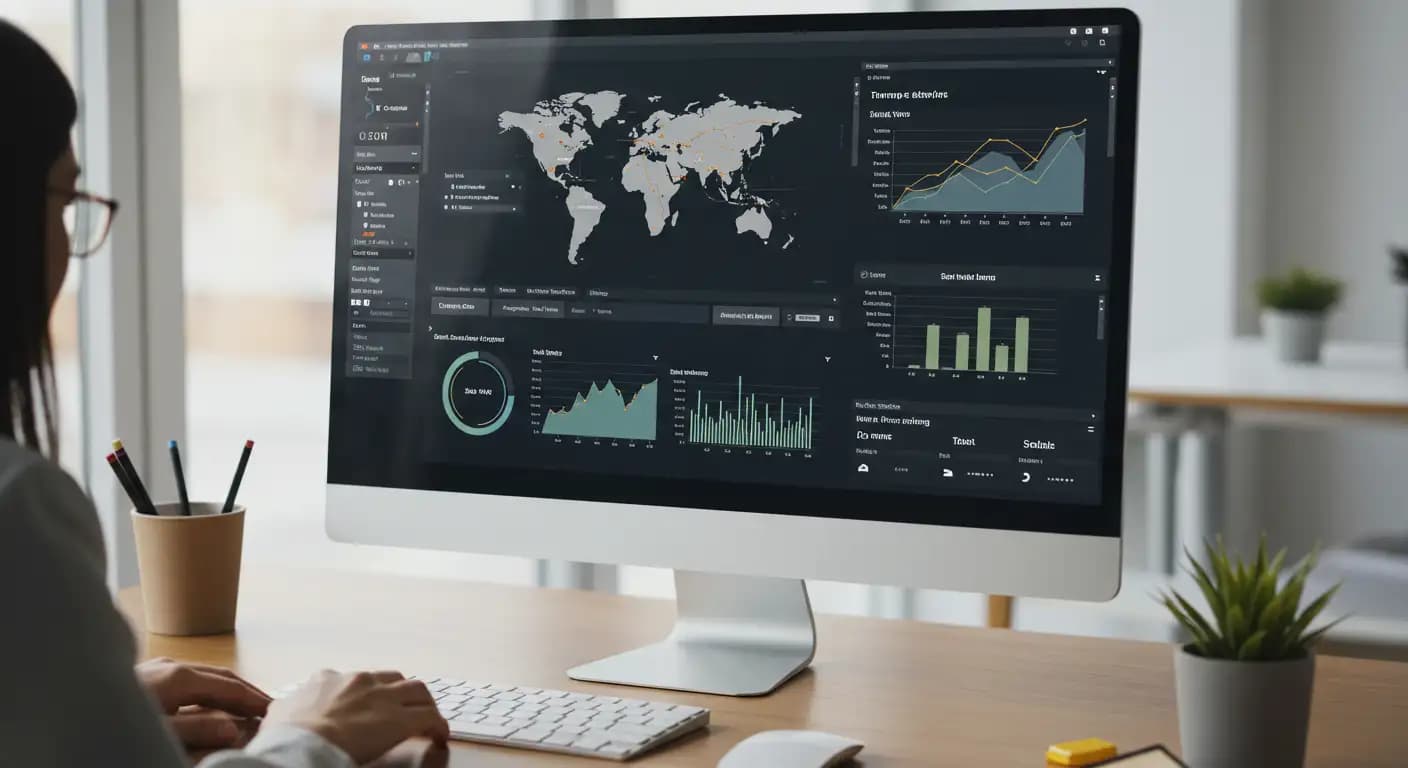
AI-powered systems are equipped with real-time monitoring functions. By working with continuously streaming data, these systems can detect even small deviations and respond to these changes immediately. In addition, they can quickly detect abnormal behavior and intervene proactively.
Intervention without losing a minute is critical to preventing potential problems.
Real-time monitoring and response mechanisms also improve systematic measurement and assessment processes. As of 2023, this functionality enables instructors to closely monitor data flows and student interactions and make necessary adjustments quickly in order to design and deliver more effective learning experiences.
Ethical and Privacy Dilemmas
When considering the ethical dimensions of AI-powered proctoring, particular emphasis must be placed on individuals' rights to freedom and autonomy. These processes depend on transparency about how individuals are monitored and evaluated in every area, including education.
Adherence to ethical principles and protection of privacy rights can be identified with AI-powered proctoring are fundamental prerequisites for the legitimacy of systems. These values must be consistently considered during the design and implementation of systems.
Proctoring and Personal Privacy
Individuals' privacy rights are essential.
AI-powered proctoring systems collect large amounts of personal data while monitoring individuals' educational performance. This requires a complex balance between personal privacy and efficiency. Comprehensive regulations governing the protection, use and storage of sensitive data are essential, since misuse of this data carries significant risks.
Privacy is a fundamental right and must be protected.
Data collection can violate personal privacy.
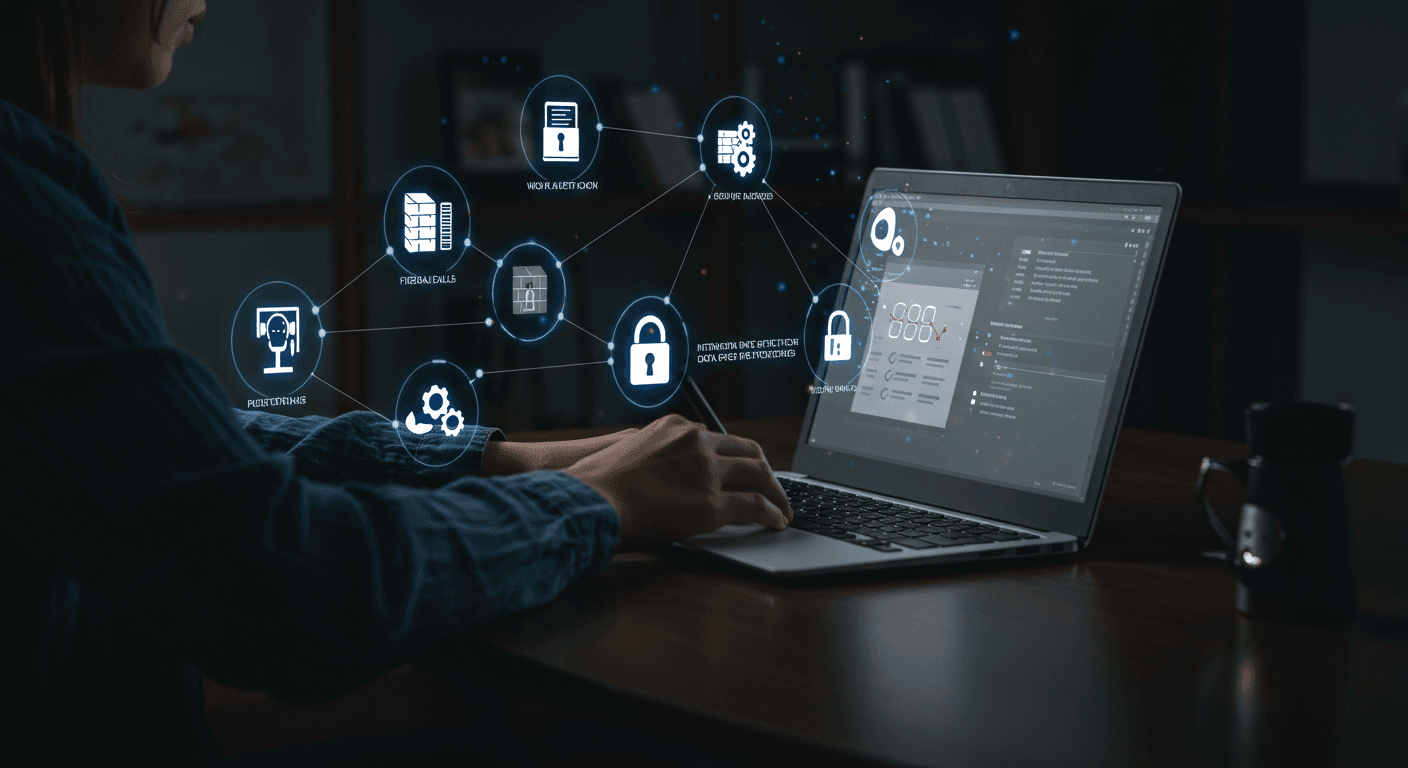
AI-powered proctoringrequires rigorous attention to data security. Protecting personal privacy requires educational technologies to be built on solid foundations. Digital learning solutionsshould be developed in compliance with regulations that protect students' personal information and ensure that educational processes are conducted on an ethical basis.
Applications from abroad generally do not offer ideal solutions for personal privacy under domestic laws. Many foreign products sold through LMS platforms such as Vedubox, Moodle and Canvas support these systems.
The Importance of Laws and Regulations
AI-powered proctoring systems must comply with applicable laws and regulations when processing user data. This ensures both the protection of user privacy and data security. Adhering to ethical principles during use is fundamental to enabling institutions that use this technology to fulfill their legal responsibilities.
Standards such as the GDPR, which protect personal data, are important. These regulations provide a broad range of protections, from transparency in data processing activities to user rights.
Compliance with national legislation is also vital. Every country has its own data protection laws, particularly in parallel with evolving international regulations such as the General Data Protection Regulation (GDPR).
Applications such as Vedubox, Moodle, Blackboard and Canvas, which integrate with many LMS companies operating in our country, support these regulations.
Data protection laws prohibit the collection and processing of personal data without users' consent. These laws should be regarded as a sign of respect for users' privacy and must be strictly enforced.
Finally, laws and regulations encourage innovation in the industry to develop within ethical boundaries. The active operation of continuous monitoring and auditing mechanisms is very important to prevent illegal practices and maintain industry standards.
Explore proctoring, identity verification, environment analysis and reporting workflows suited to your organization with the QProctor team.