What Is AI-Powered Exam and Interview Proctoring Technology?
What Is AI-Powered Exam and Interview Proctoring Technology?What Is AI-Powered Exam and Interview Pr...
As education and exam processes continue to digitize rapidly under the influence of AI revolutions spearheaded by ChatGPT, exam security and ensuring transparency in exams are among the most critical issues facing the education community. Traditional exam supervision and monitoring methods are gradually giving way to new solutions offered by technology. In this guide from Qulak, Turkey’s leading online exam software provider, we will examine the role, advantages, and applications of real-time tracking (RTT) technologies in making exam processes secure, transparent, and fair.
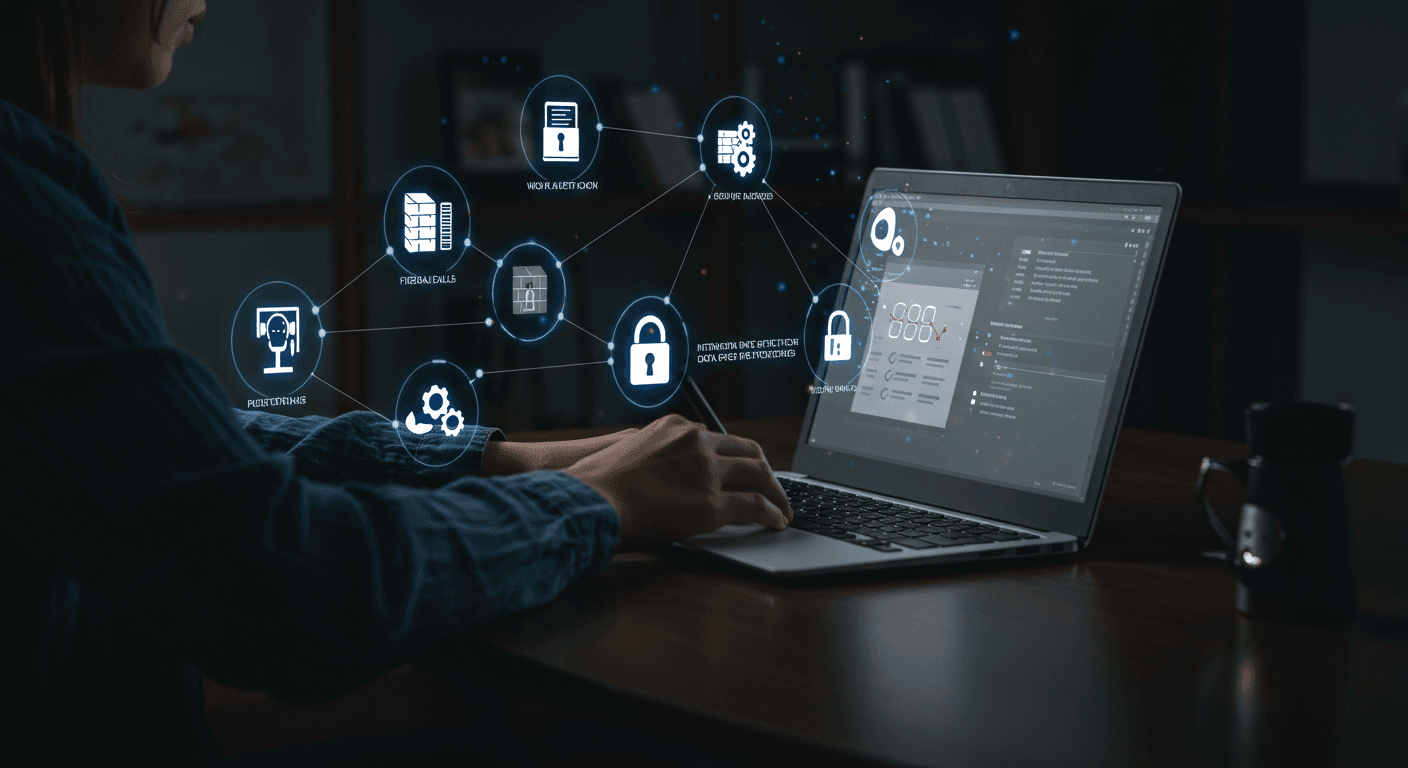
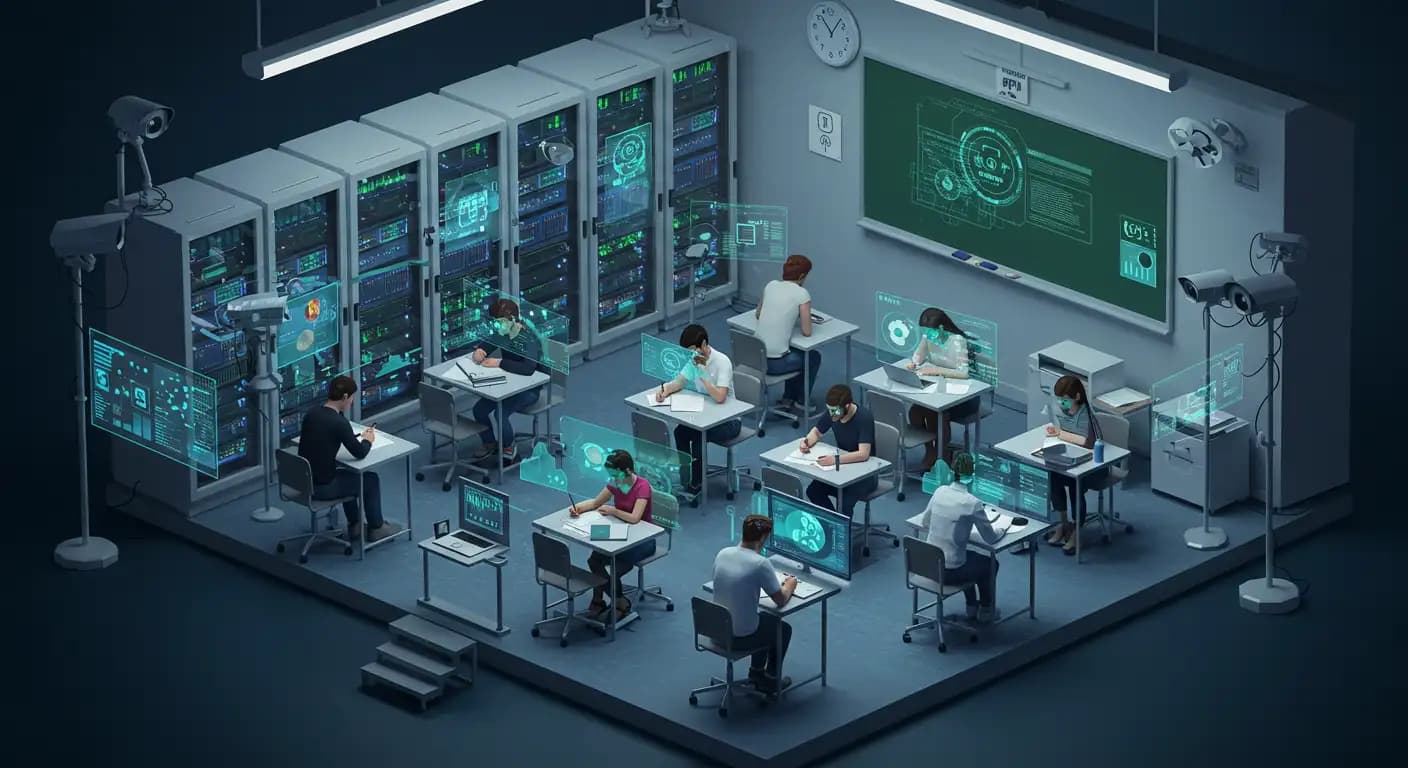
Online proctoring systems are designed to ensure a fair environment in remotely conducted online exams. Real-time tracking systems monitor candidates during exams to help prevent potential irregularities and cheating attempts:
Fairness and Trust: Keeping every stage of the exam under supervision ensures that candidates take the exam under equal conditions.
Technological Advances: Modern technologies such as live streaming, AI analysis, and remote management are used to examine the entire exam process in detail.
Data Recording and Reporting: Data collected through real-time monitoring can also be reviewed and reported on after the exam.
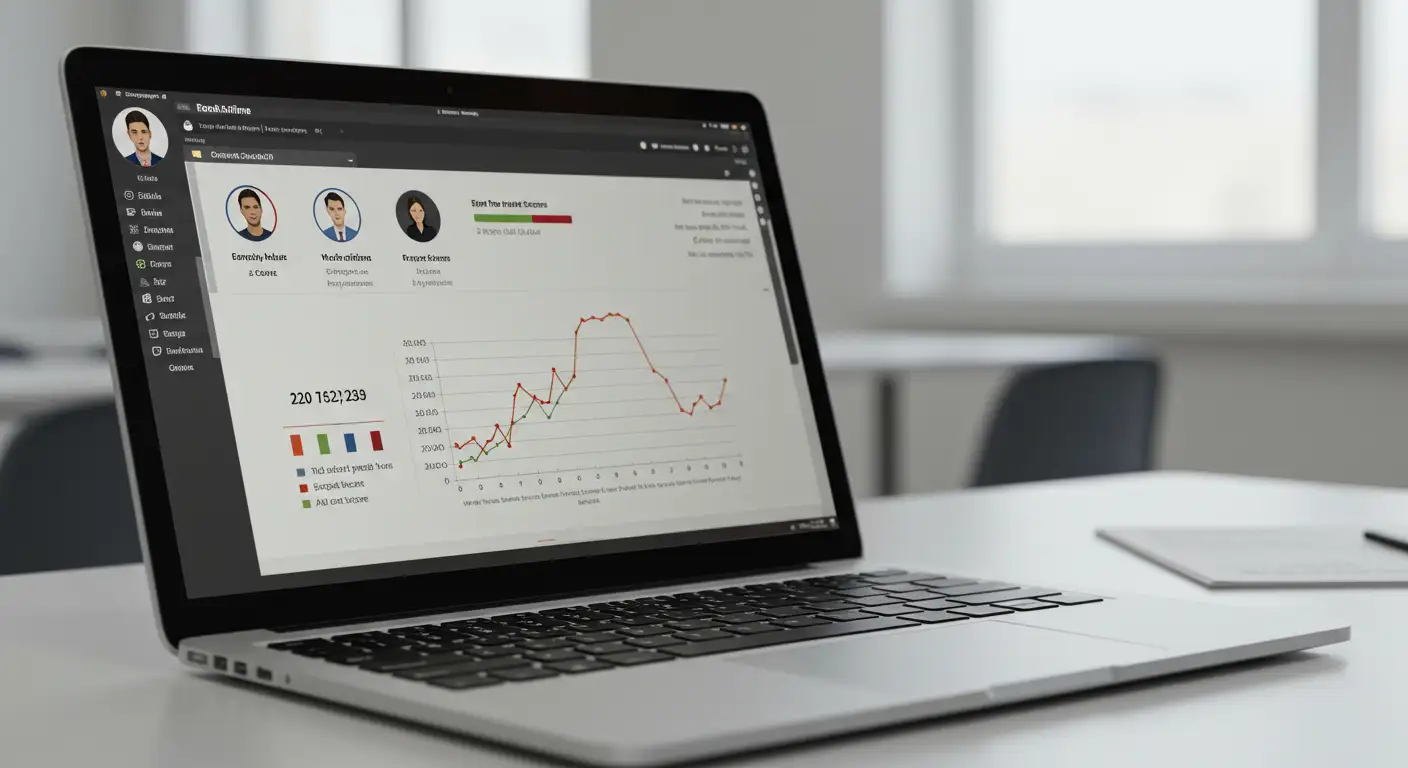
RTT (Real Time Tracking) is a system that enables all candidate activities during online exams to be monitored in real time.
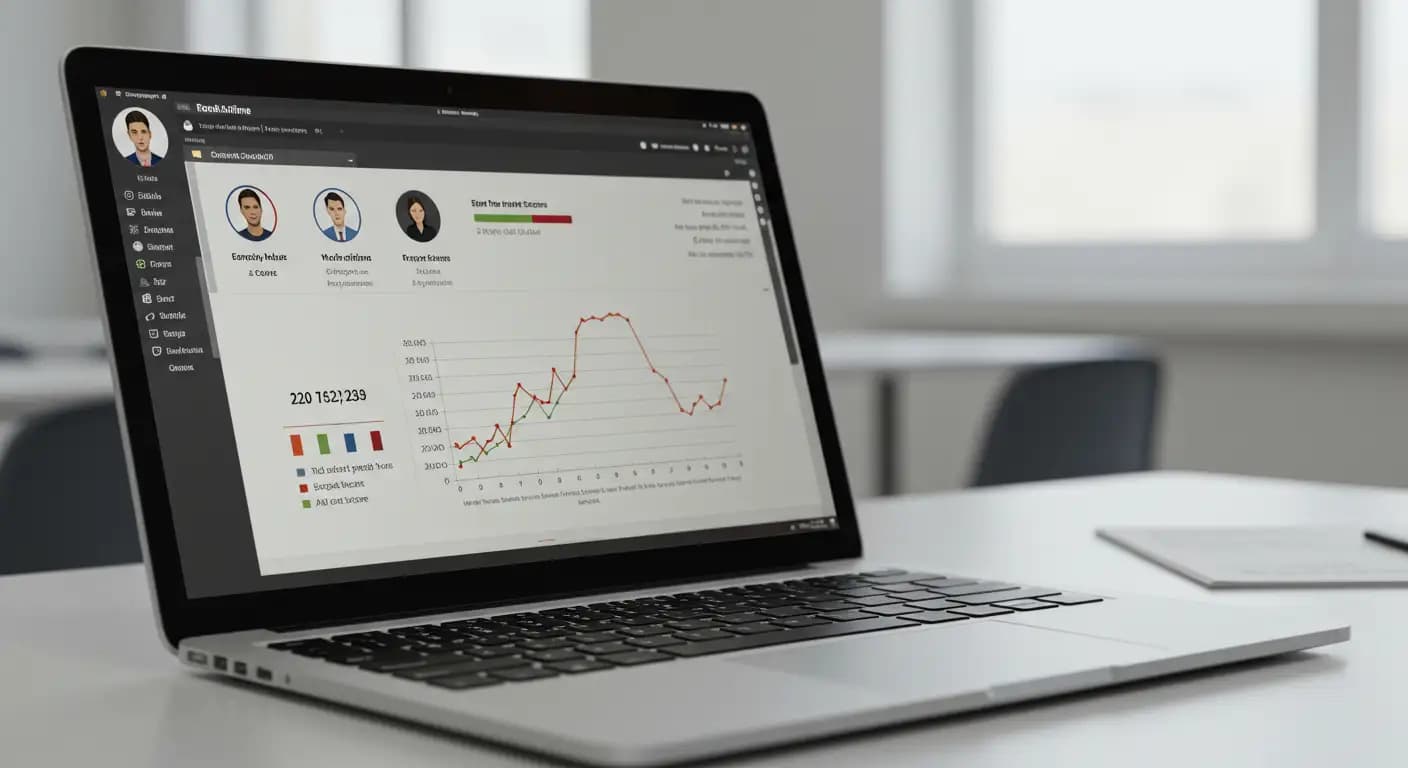
Real-time tracking technology monitors the candidate’s screen captures, video streams, and other interactions in real time. This makes it possible to detect cheating or irregularities that may arise during an exam immediately.
One of RTT’s most important features is its ability to observe all the actions candidates take during the exam in real time. Data such as screen captures, video streams, and even audio communications during the exam are monitored continuously. Real-time monitoring makes it possible to notice any unusual situation as soon as it occurs during an exam.
Modern RTT systems analyze candidate behavior using AI-powered algorithms. For example:
Phone Use: If a candidate uses a mobile phone during the exam, the system issues an alert immediately.
Multiple-Person Detection: The presence of more than one person on screen increases the likelihood of cheating. RTT can detect this.
Blank Screen Violation: If a candidate’s screen remains blank for an extended period, this may be considered inattentiveness or an attempt to cheat.
The entire exam process is recorded using the RTT system. These recordings are archived for detailed analysis after the exam. This means that evidence provided by the system can be used in the event of a dispute.
In addition to RTT technology, online proctoring systems also offer live streaming and remote management features.
Live streaming allows proctors to monitor the exam process in real time. Audio and video communication between candidates and proctors makes it possible to address any issues that arise during the exam immediately. Live interviews with candidates, in particular, ensure that the exam is conducted fairly.
Two-Way Communication: During a live stream, the proctor and candidate can talk or exchange messages in real time. This makes it possible to quickly resolve disruptions or technical issues that may occur during the exam.
Screen and Video Monitoring: The candidate’s screen captures and video stream are monitored continuously. This makes it possible to immediately determine whether there has been outside interference or any technical issues.
Remote management is a feature that enables different devices and users to be controlled during an exam. This technology makes it possible to monitor candidates’ performance and the status of their devices in real time during the exam.
Device and User Management: The institution administering the exam can monitor the performance of the devices candidates use. If any technical issue or non-compliance occurs, intervention can be made through the system.
Calls and Messaging: The remote management system makes it possible to communicate directly with candidates. This means any issues that arise during the exam can be resolved immediately.
Screen Locking: Taking control of a candidate’s screen during the exam prevents outside interference and enhances exam security.
High Security: RTT enables any irregularities that occur during an exam to be detected immediately. This increases the exam’s reliability.
Timely Intervention: Live streaming and real-time communication enable a quick response to any disruption.
Detailed Analysis: AI-powered analysis makes it possible to examine data collected during the exam in detail. This can serve as evidence that the exam was conducted fairly.
Discuss the proctoring, identity verification, environment analysis, and reporting workflow that suits your institution with the QProctor team.