
Online Exam Security with Real-Time Tracking (RTT)
Online Exam Security with Real-Time Tracking (RTT)As education and exam processes continue to digiti...
Many institutions approach online exam security as a “game of cops and robbers”: candidates try to cheat, the software secretly monitors them, and when someone is caught, victory cries ring out. But this approach is flawed from the start. If hundreds of students or employees attempt to cheat in an exam and are caught, that is not a success; it is proof that the system’s preventive and deterrent power has failed.
Real security works like traffic laws. Speed cameras and traffic lights are not there to shower drivers with fines; they are there to make everyone hit the brakes so that accidents don’t happen. That is why QProctor Exam Security Infrastructure, rather than a trap lying in wait, offers a transparent, visible, and impossible-to-bypass “Traffic Light Model” that eliminates cheating attempts before they even begin by 68% .
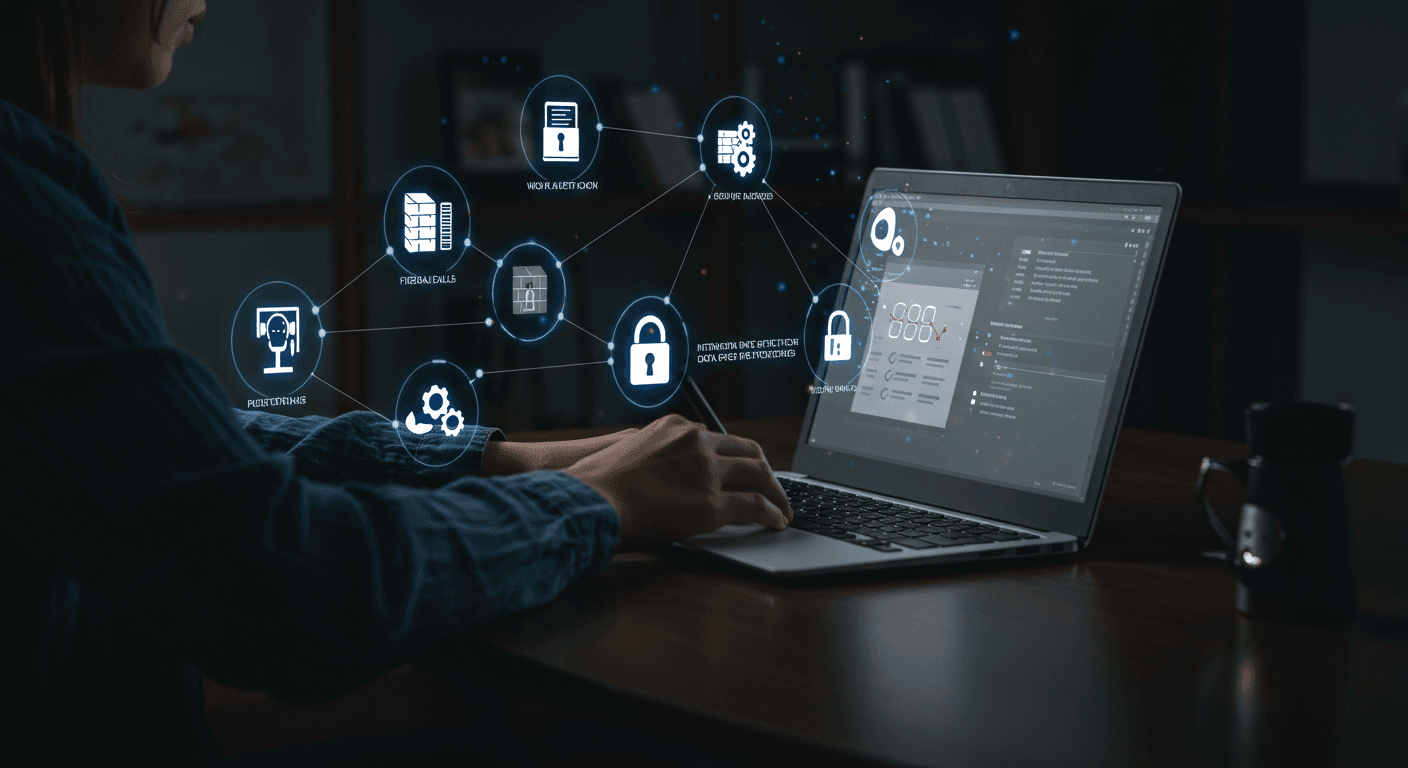
In exam security, the Traffic Light Model is a preventive design methodology that psychologically extinguishes the intent to cheat by ensuring, through a transparent interface, that candidates know they are being monitored during the exam, their surroundings are being scanned with dual cameras, and AI is active.
While covert monitoring systems give candidates the confidence to think, “Maybe I won’t get caught,” QProctor’s deterrent architecture works through these three core pillars:
The AI assistant running quietly on the candidate’s screen reminds them that the system is active with a small green/yellow indicator when their eye or head movements become distracted.
Candidates can see in the mini preview on their screen that their own mobile phone is monitoring the desk and their hands. Knowing there are no blind spots immediately ends the search for ways to cheat.
Attempts to switch tabs, share the screen, or use shortcuts are blocked within the first second; the candidate’s motivation to struggle against the system is reduced to zero.
Academic research and QProctor platform data show that exams requiring a 360° desk scan before the exam and displaying an active AI proctor icon on screen have a cheating-attempt rate that is 68% lower. Instead of dealing with disciplinary disputes involving dozens of employees after the exam, companies get a spotless results report.
The differences that turn the exam process from a tense battleground into a fair assessment environment:
Candidates don’t know exactly what is being monitored, assume they can find a loophole, and attempt to cheat. After the exam, HR has to deal with dozens of violation cases and employee backlash.
Like a traffic light, the rules are clear from the start. The desk is cleared, the second camera is turned on, and AI is active. Candidates realize cheating is impossible and focus directly on the questions.
Select the interface and monitoring elements used in your exam to see the percentage by which your system stops cheating before it starts (deterrence).
Your system is not deterrent; candidates may feel emboldened to attempt cheating.
Design criteria for completing your exams calmly and fairly, without getting caught up in disciplinary investigations:
Check the components that eliminate candidates’ willingness to attempt cheating:
Don’t boast about catching cheaters; create a secure, respected, and transparent exam environment where cheating never happens. Strengthen trust with your employees through QProctor’s Traffic Light Model.
Thanks to a transparent monitoring architecture, candidates do not attempt to violate the rules; exams are completed with zero friction.
Stress levels drop noticeably for honest candidates who know there is no trap and that the system is fair and transparent.
Instead of reviewing hundreds of violations and holding tense meetings with employees, you work with honest, clean data.
Phone camera integration eliminates physical blind spots and creates the greatest psychological barrier.
Discover our modern exam infrastructure that protects merit and does not catch employees or students off guard.
Request a Free Demo and InformationWork with the QProctor team to evaluate proctoring, identity verification, environment analysis, and reporting workflows suited to your institution.